The Docket - Case No. 6
Several hundred CDs, one Facebook friend, fifteen months
Dua Lipa's "Levitating" got sued by a Florida reggae band. The band could not plead facts plausibly showing she ever heard their song.
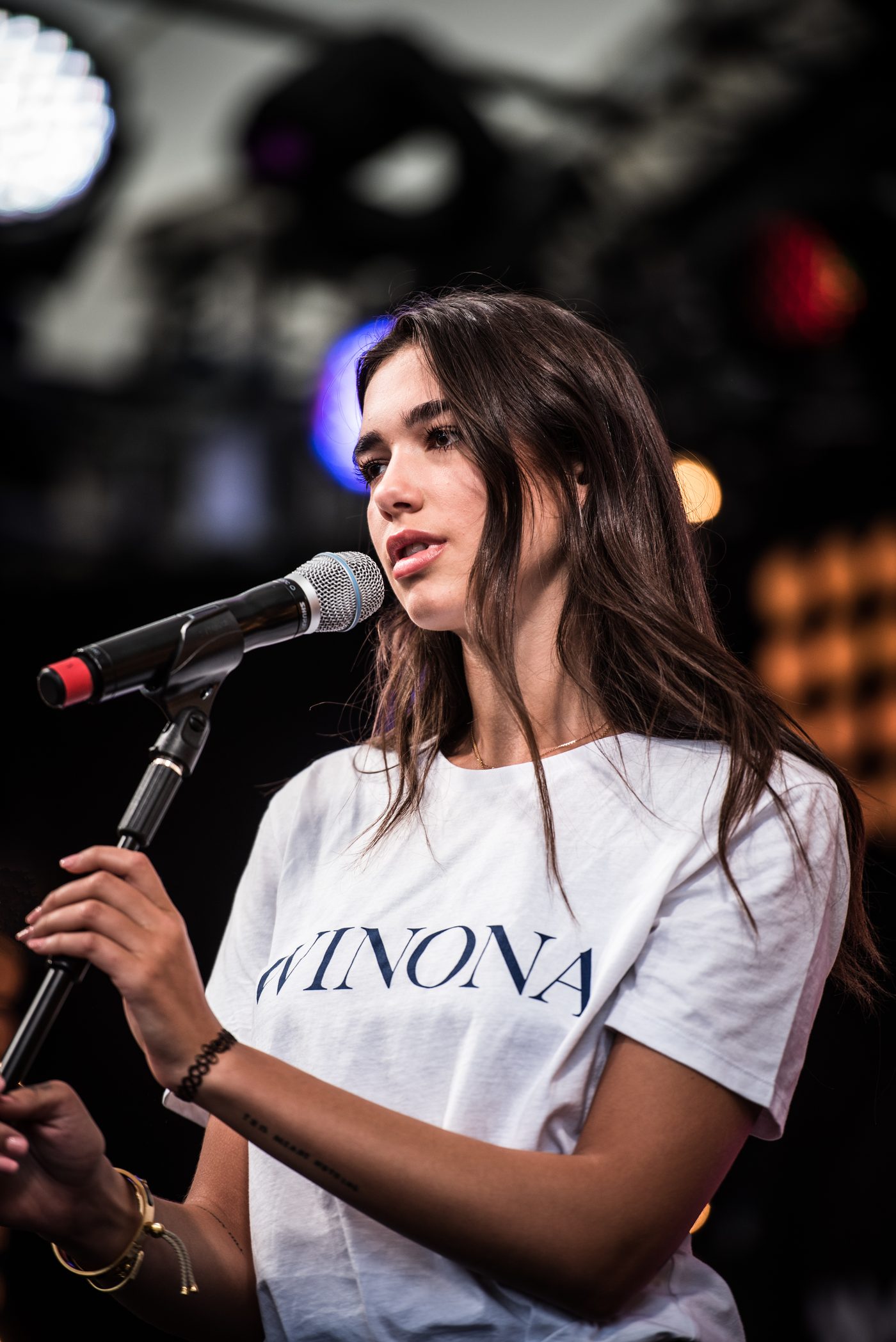

On June 5, 2023, a federal judge in California ends a pop star's copyright headache with a 12-page order. Fifteen months earlier, five members of a Florida reggae band called Artikal Sound System sued Dua Lipa, Warner Records, and the three co-writers of "Levitating," claiming it copied their 2017 song "Live Your Life." The band's prayer for relief: the defendants' profits, actual damages, attorney fees. The band's pleaded access theory — its showing that anyone on the "Levitating" team ever heard it — amounted to: an unspecified number of Florida gigs, several hundred CDs, a Billboard reggae chart appearance, a guitar teacher, and a Facebook friendship. Judge Sunshine S. Sykes calls the access theories "too generic or too insubstantial," dismisses the case, and gives the band eleven days to refile. They do not. Within days, both sides stipulate to dismissal with prejudice, each bearing its own costs. The band demanded a global hit's profits. The public docket shows no damages awarded to it; the stipulation is silent on any payment.
What the papers say
The First Amended Complaint, filed September 19, 2022, runs seven pages. Plaintiffs: Christopher Edward Cope, Christopher Edward Montague, Fabian Andres Acuna, Adam Spencer Kampf, and Denton Bedward, all Florida residents and members of Artikal Sound System, owners of U.S. Copyright Office registration PA 2-314-836 for "Live Your Life." Defendants: Warner Records Inc., Dua Lipa, Clarence Coffee Jr., Sarah Hudson, and Stephen Kozmeniuk. (The original complaint, Dkt. 1, also named Bosko Kante as a defendant; he was dropped from the FAC.) One claim: copyright infringement under Title 17 of the U.S. Code, jury demanded.
The theory: the two songs are "substantially similar in their main melodic theme, supportive harmonies, and accompaniment," both in minor keys at similar tempos, so "it is highly unlikely that 'Levitating' was created independently from 'Live Your Life.'" The backstory: Artikal had toured since 2011, mostly in Florida; Smoke and Mirrors came out March 31, 2017; "Live Your Life" went out on CD Baby and streaming; and in October 2018, after a lead-singer change, the band pulled the album from online stores (it stayed on SoundCloud).
The money
The prayer for relief asks for four things: actual damages "according to proof"; the defendants' profits "according to proof"; costs including attorney fees; and such other relief as the court deems just. Not one dollar figure appears anywhere in the complaint or the order.
Awarded: nothing in the public docket. Paid: the stipulation is silent on any payment. The June 2023 stipulation left each side bearing its own costs.
The record is silent on legal fees, so I will not invent a number. What the docket shows is fifteen months of federal litigation: two complaints, a 27-page motion to dismiss, a denied transfer motion, and supplemental briefing on jurisdiction. The defense caption names Mitchell Silberberg and Knupp, the same firm that defended "Dark Horse." Fifteen months of big-firm copyright defense over a song that sold several hundred CDs.
The ruling
The holding is narrow, and that is the interesting part. The judge did not decide the songs were different. She declined to reach substantial similarity at all — not because it is "exclusively the province of the jury" (that phrase describes only the intrinsic test), but because the question needed analytical dissection and expert evidence the record did not yet have. The case died one step earlier, on access.
Her words on the band's chain-of-events theory: "These attenuated links, which bear little connection to either of the two musical compositions at issue here, also do not suggest a reasonable likelihood that Defendants actually encountered Plaintiffs' song during the relevant time period."
Translation: you must plead facts plausibly showing the defendant actually had a chance to hear your song. Being on Spotify, without more, does not count; Ninth Circuit courts have said so repeatedly. Several hundred CDs, pleaded without scale or specificity, did not count here. A chain of "my co-writer worked with a woman whose guitar teacher was my bandmate's brother-in-law, and we are Facebook friends" does not count. Access is a pleading requirement, not a vibe.
The risk ledger
Dua Lipa won. Warner Records won. The three co-writers won — a dismissal with prejudice on the pleadings, not a merits adjudication that no infringement occurred. The case still ran from March 1, 2022, to June 2023: fifteen months, and it never got past the pleadings.
Note who got dragged in: not just the star, but her label and every credited co-writer. The complaint names everybody, and everybody needs counsel. The defendants even fought a side battle over moving the case to New York next to the Larball "Levitating" suit, and lost that too.
Given until noon on June 16 to file a better complaint, they did not refile. Dismissal with prejudice means they can never bring this claim again. They traded a shot at a global hit's profits for fifteen months of their own legal bills, which the stipulation made them eat.
The meter runs whether you win or lose. Sit with that.
The coverage lens
This is the class of allegation media liability coverage is built for: someone says your creative work infringes their rights, and you need defense counsel before you need anything else. The defense bill is the certain bill in these cases. It arrives for winners and losers alike, here before anyone ever played the two songs for a jury.
No promises here. Whether any particular claim would be covered depends on the policy as issued and the facts of the claim. But the category exists because of cases like this.
The docket
- Order denying defendants' motion to transfer and granting their motion to dismiss with leave to amend, Cope v. Warner Records, No. 2:22-cv-01384-SSS-AS (C.D. Cal. June 5, 2023), 12 pages: business.cch.com
- First Amended Complaint, filed September 19, 2022, 7 pages; the same file also contains defendants' 27-page motion to dismiss (Dkt. 54): nalae.org
- Second copy of the June 5, 2023 order: bpb-us-w2.wpmucdn.com
- Joint stipulation of dismissal with prejudice, each side bearing its own attorneys' fees and costs, Cope v. Warner Records, No. 2:22-cv-01384-SSS-AS (C.D. Cal.), Dkt. 74, filed June 7, 2023: storage.courtlistener.com
- Full docket, Cope v. Warner Records, No. 2:22-cv-01384-SSS-AS (C.D. Cal.), via CourtListener: courtlistener.com
Sources
- Order denying defendants' motion to transfer and granting their motion to dismiss with leave to amend, Cope v. Warner Records, No. 2:22-cv-01384-SSS-AS (C.D. Cal. June 5, 2023), 12 pages (Dkt. 73): business.cch.com
- First Amended Complaint, filed September 19, 2022, 7 pages; the same file also contains defendants' 27-page motion to dismiss (Dkt. 54): nalae.org
- Joint stipulation of dismissal with prejudice, each side bearing its own attorneys' fees and costs, Cope v. Warner Records, No. 2:22-cv-01384-SSS-AS (C.D. Cal.), Dkt. 74, filed June 7, 2023: storage.courtlistener.com
- "St. Louis lawyer says clients vindicated in Katy Perry copyright infringement verdict" — Missouri Lawyers Media, Aug. 12, 2019 (Mitchell Silberberg & Knupp's "Dark Horse" role): molawyersmedia.com
Legal disclosure
SongSure LLC is an insurance agency. This article is for general information and education only. It is not legal advice, not insurance advice, and not an offer, quote, or promise of coverage. Case summaries are based on publicly available court records and are simplified; they may omit details. Any coverage would be subject to underwriting review, carrier approval, and the terms, conditions, limitations, and exclusions of the policy as issued. Past case outcomes do not predict future results or coverage decisions. SongSure is in pre-launch and is not currently writing coverage. Consult a licensed attorney for legal questions and a licensed insurance producer for coverage questions.